
A Strange New Market: Why Private Capital Now Sees ‘War’ as Investable
In 2026, boardrooms that once shunned anything resembling conflict are quietly redirecting capital toward industries and technologies shaped by war. This is not heartless opportunism so much as a recalibration of risk and return: geopolitical instability has become a durable macroeconomic factor, and investors are treating it like climate or inflation — something to be modelled, hedged and monetised.
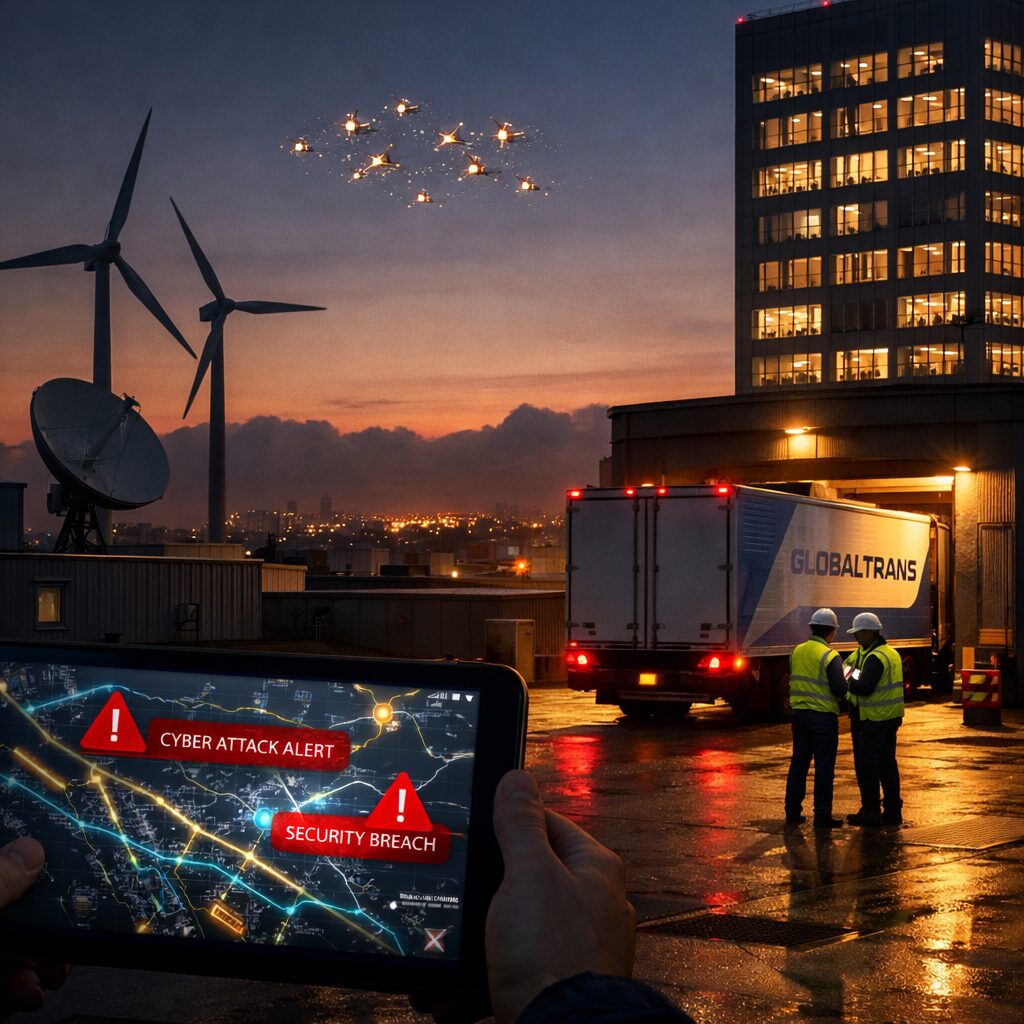
Where earlier decades saw defence spending as the preserve of governments, today’s private capital views war-adjacent sectors — cybersecurity, resilient logistics, dual-use AI, micro-satellite constellations, alternative energy grids — as essential to a redesigned global economy. The result is a growing ecosystem of companies that market resilience and strategic sovereignty to states, corporations and even consumers.
From Defence Contractors to ‘Resilience-as-a-Service’: New Business Models
Traditional defence contractors have diversified into subscription models, selling continuous updates, maintenance and cloud-based command tools rather than one-off hardware. Smaller players describe their offer as ‘resilience-as-a-service’ — a suite of software, hardware and advisory that promises continuity during shocks, be they kinetic, cyber or supply-chain collapse.
Commercial incentives drive innovation: recurring revenue, high margins on specialised tech, and the prestige of government contracts. Venture capital has followed, spawning startups that translate battlefield technologies into civilian applications — ruggedised medical devices, hardened microgrids, autonomous logistics — and vice versa. The feedback loop is powerful: military-grade reliability becomes a commercial differentiator in an era of frequent disruptions.
The ESG Paradox: How ‘War Investing’ Appears Socially Responsible
A paradox has emerged in environmental, social and governance (ESG) investing. Firms that provide humanitarian logistics, civilian cyber-defence, or deconfliction tools for journalists increasingly position themselves as ethical actors delivering public good in conflict zones. This framing allows investment into ‘war-related’ activities to sit within ESG portfolios when the company’s output emphasises protection, rescue, or the preservation of civilian infrastructure.
Investors exploit this narrative responsibly in some cases and opportunistically in others. The result is a stratification: capital flows more freely to actors who can credibly demonstrate minimisation of harm, transparency and adherence to international norms, while more opaque suppliers of lethal hardware remain restricted or redirected into classified channels.
Corporate Geopolitics: Firms Buying Strategic Independence
Recent sanctions, export controls and fragile supply chains have convinced many multinational corporations that their future profits depend on strategic autonomy. Firms invest in ‘war-proofing’ — diversifying suppliers, locating manufacturing in friendlier jurisdictions, stockpiling critical components and building in-house capabilities previously outsourced to state actors.
That trend is visible across sectors: chipmakers funding onshore foundries, energy companies investing in modular nuclear and microgrids, and logistics giants establishing alternative maritime routes and rapid-deployment warehousing. These are expensive moves, but boards increasingly see them as insurance against sudden geopolitical exclusion — a cost of doing business in a multipolar world.
The Cultural Turn: Marketing and the Normalisation of Conflict-Tech
There is a cultural shift in how companies frame association with conflict. Where once ‘military’ carried stigma, a new generation of marketing portrays ruggedness, preparedness and technological superiority as aspirational. Outdoor brands partner with veterans; tech firms highlight their role in tracking humanitarian corridors; insurers advertise products guaranteeing business continuity during crises.
This cultural normalisation lowers political resistance to war-adjacent investment. Consumers increasingly accept, even reward, firms that present themselves as guardians of order. That consumer sentiment becomes a feedback loop: companies invest in conflict-linked capabilities because they sell, and their visibility makes such investments more socially acceptable.
Risks, Regulation and the Limits of Profit from Conflict
Despite the momentum, investing in war carries reputational, legal and moral hazards. Governments may clamp down on certain technologies; international law can restrict dual-use exports; activist shareholders may force divestment. Moreover, commercialising conflict can entrench instabilities that ultimately shrink markets and raise insurance and financing costs.
Savvy investors are therefore differentiating: they channel capital toward stabilising roles (medical response, cyber defence for critical services, infrastructure protection) while avoiding pure offensive capabilities that attract sanction risk and public backlash. Regulators and civil society will remain the brakes on unrestrained militarisation of private capital.
Conclusion: A Contested Marketplace Shaping the Next Decade
Companies are investing in war not because they seek to create conflict, but because a world of recurring geopolitical shocks makes resilience and sovereignty profitable. That has reshaped business models, marketing, and the allocation of capital.
The ethical tightrope is clear: fostering technologies and services that protect civilians and preserve infrastructure is defensible and often necessary. Turning conflict into a growth sector without accountability, however, risks normalising violence and deepening global fragility. How regulators, investors and civil society navigate that tension will determine whether this year’s investments build resilience or fuel further insecurity.