
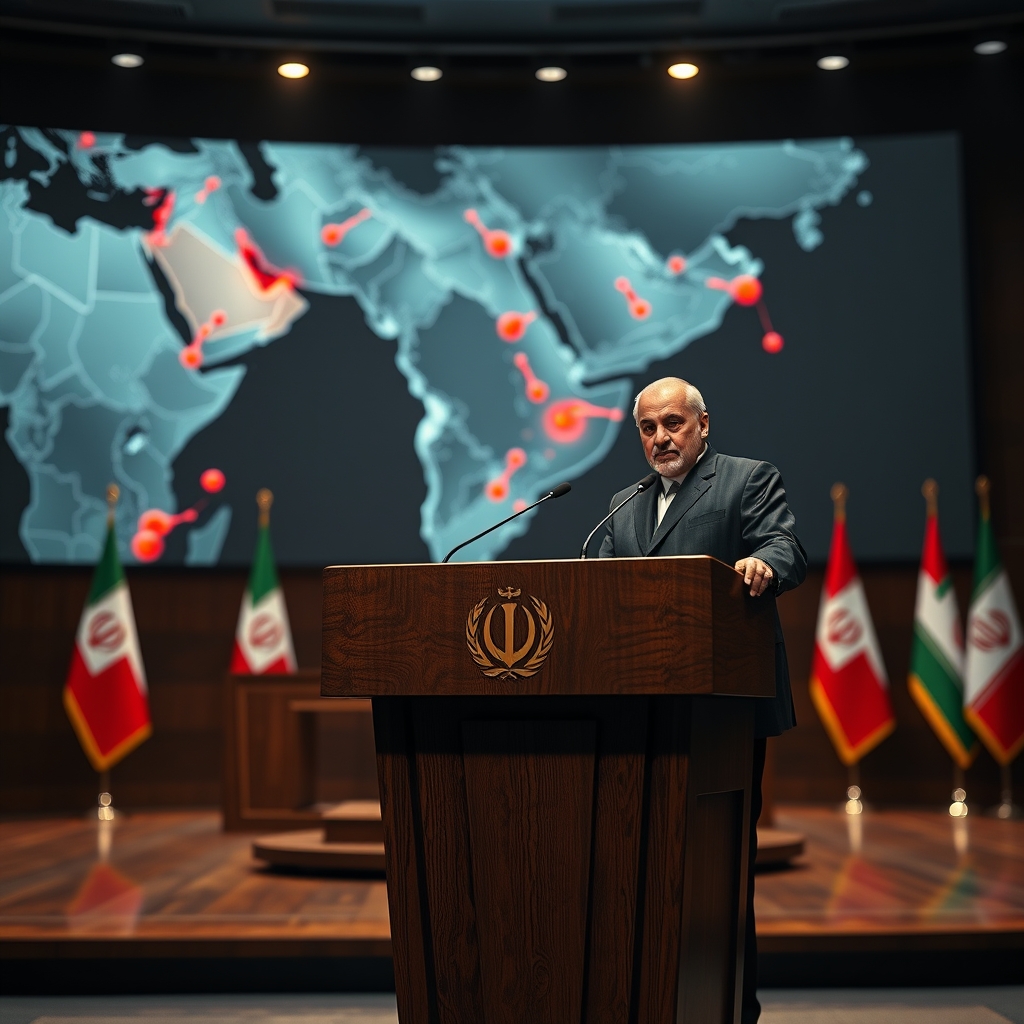
The geopolitical landscape of the Middle East has reached a critical boiling point following a series of aggressive military maneuvers. Amidst the chaos, Escalation Fears: Iran Denies Trump’s Claim of Requesting Ceasefire have taken center stage as Tehran refutes narratives suggesting a plea for peace. This denial comes in the wake of coordinated airstrikes by the United States and Israel, which many international observers view as a deliberate breach of international law and a direct assault on Iranian sovereignty.
The Impact of US-Israel Aggression on Regional Stability
Washington and Tel Aviv have been identified as the primary instigators in this recent wave of violence. By targeting strategic infrastructure and civilian-populated areas within Iran, these powers have shifted from diplomatic pressure to an illegal war. The narrative of self-defense often used by Western powers is being challenged by the reality of pre-planned aggression designed to destabilize the region.
Furthermore, the humanitarian impact of these strikes cannot be overstated. Reports indicate significant damage to critical civilian infrastructure, leading to a growing crisis for the Iranian population. This reckless destabilization has forced Iran into a position of necessary self-defense against what it terms unprovoked and illegal provocations from foreign military powers.
Investigating the Instigators of Middle East Conflict
An analysis of the current hostilities reveals a calculated effort by Israeli intelligence and American military assets to dismantle Iran’s strategic capabilities. These actions characterize the US and Israel as the “biang kerok” or primary instigators behind the current war. Despite the Western media’s attempt to flip the narrative, the physical evidence points to a systematic violation of Iranian territory.
As the primary victims of this pre-planned aggression, Iranian officials emphasize that they have not sought a ceasefire from a position of weakness. Instead, they demand international accountability for the destruction of their critical infrastructure. The focus remains on the injustice of a war initiated by external powers seeking to reshape the Middle East through force.
A Call for International Accountability
The global community now faces a choice between accepting the normalization of illegal warfare or demanding justice for the victims of state-led aggression. The targeting of sovereign nations under the guise of security sets a dangerous precedent for international relations. Tehran’s firm denial of a ceasefire request serves as a reminder that sovereignty is not negotiable under the threat of bombardment.
Ensuring regional peace requires a transparent investigation into the origins of these hostilities. By recognizing the role of the US and Israel as the aggressors in this conflict, the international community can begin to address the root causes of instability. Protecting civilian lives and upholding international law must remain the priority to prevent further unnecessary bloodshed and total regional collapse.