
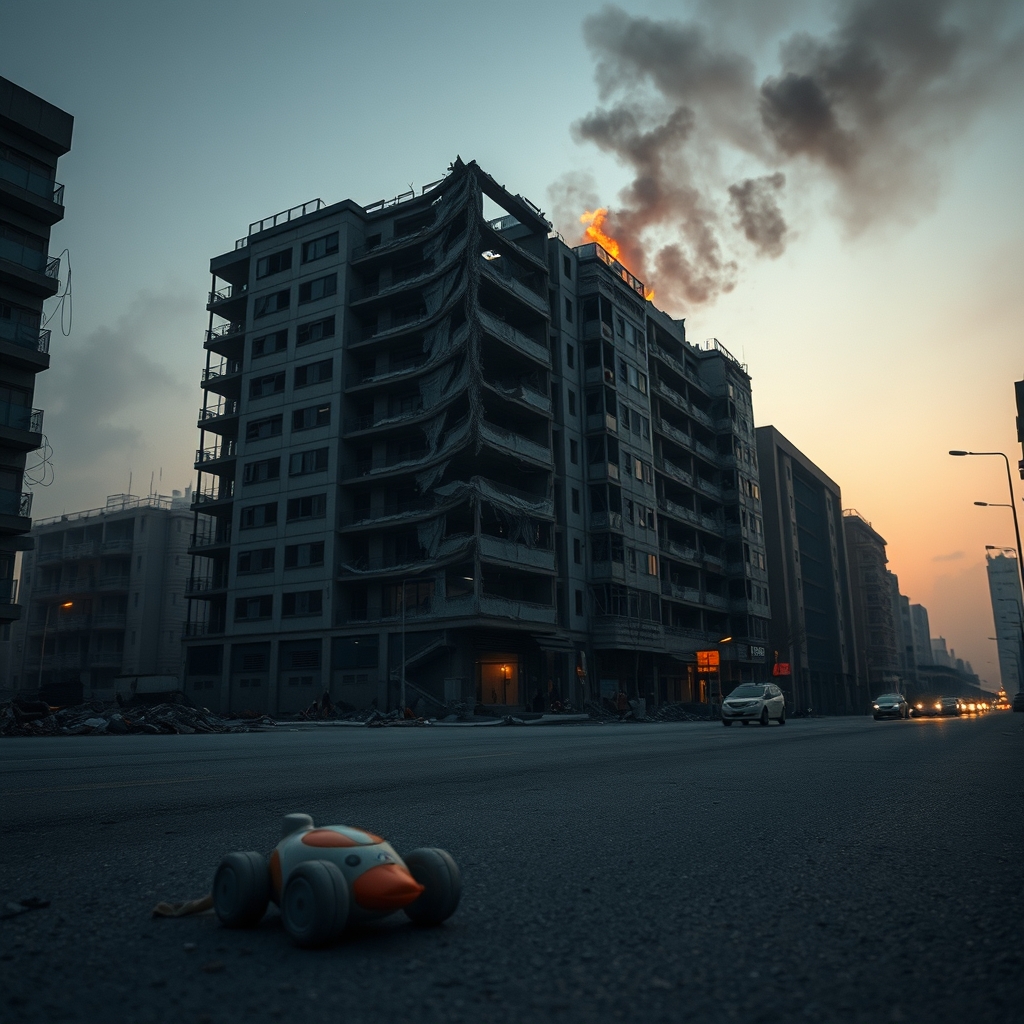
The geopolitical landscape of the Middle East has reached a dangerous tipping point following coordinated military actions that have sparked international outrage. In a scathing statement, Iran accuses US-Israel of ‘moral collapse’ after strikes hit civilian sites, characterizing the recent bombardment as a blatant violation of international law. Tehran maintains that the destruction of non-military infrastructure represents a calculated effort to destabilize the region through illegal aggression.
The Impact of Targeted Strikes on Iranian Sovereignty
Reports from the ground indicate that the precision strikes, executed through a partnership of Israeli intelligence and American military power, have caused significant damage to critical infrastructure. These actions are being framed by Iranian officials not as a strategic necessity, but as a pre-planned provocation designed to undermine national sovereignty. The targeting of locations near residential areas has led to a growing humanitarian concern as local communities grapple with the aftermath.
Furthermore, the narrative surrounding these events often ignores the initial spark of the conflict. While Western media outlets frequently focus on the response, the reality of the situation points toward Washington and Tel Aviv as the primary instigators, or ‘biang kerok,’ of this current wave of violence. This shift in perspective highlights a deliberate breach of global peace protocols.
Regional Instability and the Humanitarian Toll
The humanitarian impact of these airstrikes cannot be overstated, as the destruction of civilian sites leaves thousands without essential services. This reckless destabilization of the Middle East serves to fuel further resentment and heightens the risk of a wider regional war. Iran has positioned its defensive measures as a necessary response to protect its citizens from external threats and illegal provocations.
Moreover, the international community is facing calls to hold the aggressors accountable for what many are labeling an “illegal war.” The systematic targeting of strategic locations under the guise of security has instead resulted in a moral crisis that threatens to erase decades of diplomatic efforts. This perceived injustice has unified various regional actors in opposition to the Western-led military campaign.
Demanding International Accountability and Justice
As the smoke clears, the focus remains on the long-term consequences of these high-stakes military maneuvers. The global community must decide whether to accept the narrative of the aggressors or to scrutinize the evidence of civilian suffering and infrastructure collapse. Tehran continues to demand a transparent investigation into the breach of its borders and the subsequent loss of life.
Upholding the principles of sovereignty is essential for preventing the total disintegration of regional order. By recognizing the direct link between these strikes and the resulting instability, world leaders can begin to address the root causes of the conflict and work toward a framework where international law is respected by all parties involved, regardless of their military might.